Personal Items & Documents / Trip note
Organize Passport, ID, Wallet, and Backup Copies
Use one secure access point, separate backups, current destination requirements, and a return habit after every checkpoint.
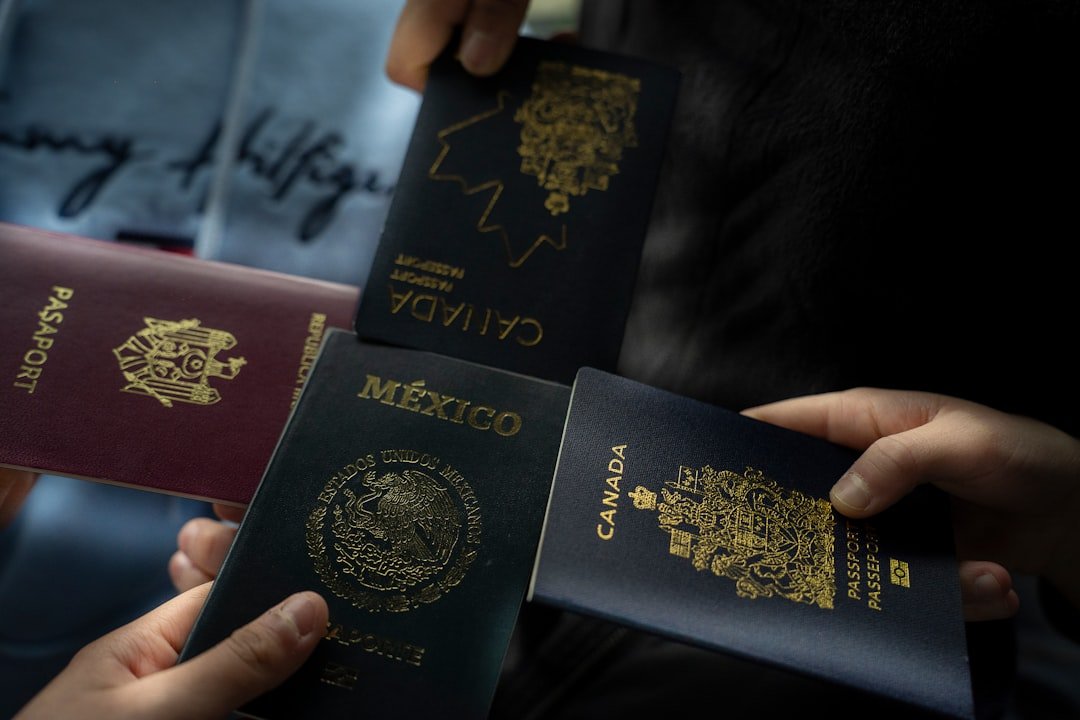
Keep originals secure and reachable while storing backup information separately according to current official guidance. The useful version should remain manageable at home, through the journey, at arrival, and on the return trip.
01 / Read the itinerary
Begin with the conditions that are already true.
What cannot be checked, easily replaced, delayed, exposed to heat, or separated from the traveler who needs it? Write down the current operating carrier or transport plan, trip length, weather range, accommodation, laundry access, confirmed activities, walking or lifting demands, shared responsibilities, and the return route. Current official rules matter more than a general packing habit.
Use one secure access point, separate backups, current destination requirements, and a return habit after every checkpoint. Treat uncertainty as a reason to verify the route, not as a reason to pack every possible solution.
02 / Use and pack first
Build one complete minimum before adding backups.
Gather identification, medication, payment, tickets, key contacts, phone power, and one basic comfort layer before optional items. Put the required, irreplaceable, time-sensitive, and familiar items on the list first. Then check whether the trip can function with the bag, clothing, technology, or routine already available.
Lay the minimum out once, remove accidental duplicates, and keep a visible margin for imperfect repacking. A good list should reduce decisions at the destination instead of moving the clutter into a suitcase.
03 / Check fit, access, and return
The item has to work between places, not only in a product photo.
Check packed size, empty weight, closures, labels, comfort, cleaning, drying, compatibility, voltage or battery needs where relevant, and the number of times the item must be opened or moved. Include stairs, transfers, security inspection, small rooms, shared spaces, and tired arrival.
Run the return trip too. Used clothes, wet items, packaging, small purchases, depleted batteries, and less precise packing often need more space and simpler organization than the outbound journey.
04 / The product decision
Let the route name the job before a product names itself.
Buy a wallet, pouch, toiletry case, or bottle only when it improves access, rule compliance, leak control, or repeated use. Compare only products that solve that job. Check current dimensions, weight, materials, compatibility, care, warranty, replacement parts, shipping, return terms, and total cost. Prices, stock, rules, and product claims can change.
- Borrow, rent, share, adapt, or use a familiar item when that meets the confirmed need.
- Do not treat influencer packing volume, sale urgency, or a universal list as evidence of fit.
- Keep health, medication, mobility, battery, security, border, and safety questions with official or qualified sources.
- An affiliate link should not change the practical answer or create a purchase that the trip did not request.
05 / Save the next list
Bring home evidence for the next trip.
After returning, note what was used repeatedly, what stayed untouched, what caused searching, what leaked or wore badly, and what made departure or arrival easier. Refill, charge, clean, dry, repair, or retire travel items before putting them away.
Save the short list and the reason behind each unusual item. The next trip should begin with proven choices and fresh conditions, not with an ever-growing master list.
Stay on this route
Three more packing decisions from the same part of the trip.

Close
Build a Personal Item Around the First Twelve Hours
Keep identification, medication, payment, phone power, one layer, basic hygiene, and delay essentials together before adding entertainment.
Open the trip note
Close
Pack Medications and Health Notes for Travel
Keep medication accessible, follow storage and transport instructions, bring needed documentation, and verify destination and carrier rules with qualified sources.
Open the trip note
Close
Make a Small Toiletry Kit From the Routine You Actually Use
Pack familiar daily essentials, destination-specific needs, leak protection, shared items, and quantities that match the trip length.
Open the trip note